
For those of us who identify as feminists, being a consumer of mass media – whether willingly or not – is an often painful, infuriating, and downright exhausting experience. The limited and limiting images of women can make a trip to the movies or a simple ride on the subway into a cause for distress. Through our studies, work, and activism, many of us have learned to be critical of these images, to deconstruct them in order to understand the assumptions and messages behind them. While this critical process can be empowering, it can also feel inadequate. A necessary step, but one that does not stem the continuous onslaught of negative images. A deconstruction without constructing something new in its place.
So how can we as feminists move beyond criticism and actively talk back to mass media and culture? How can we negotiate between being critics of pop culture and fans of it? And how, ultimately, do we transform critical consciousness into creative practice?
This is where feminist remix comes in. Feminist remix is the art and practice of taking what already exists in mass culture and reworking it into something new, something that better reflects feminist values. Media is the material; editing techniques, creativity, and a critical eye are the tools.
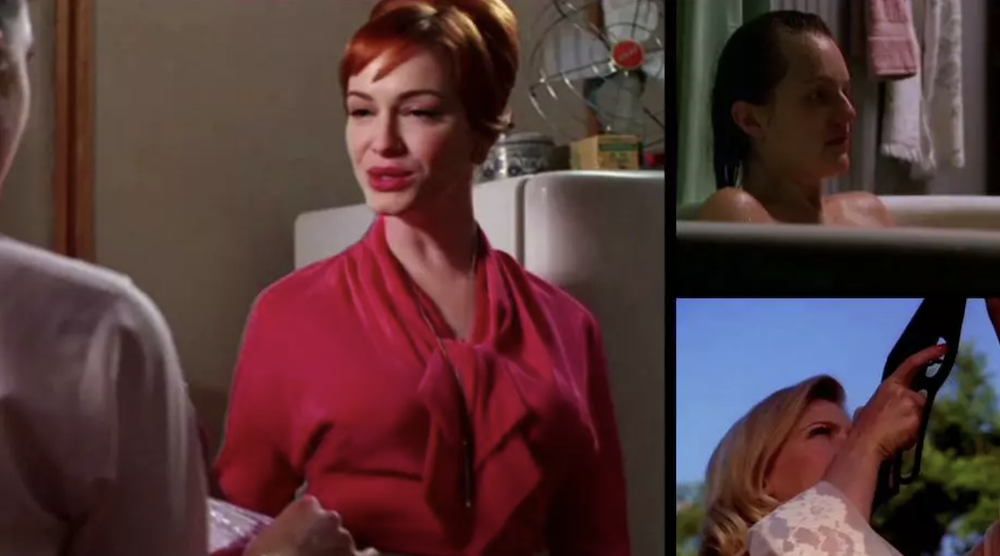
Think, for example, of seeing Mad Men focus exclusively on its female characters. Or of watching a queer Carrie Bradshaw on Sex and the City.
That is the work of Elisa Kreisinger, feminist video remix artist, self-proclaimed pop culture pirate, and workshop leader at this year’s Utopia conference. Kreisinger and her co-facilitator, Francesca Coppa, spoke of the power of feminist remix to redefine dominant narratives of women in our own terms. Their workshop, Talking Back to Culture through Feminist Remix, encouraged feminists to appropriate and remake the very media that makes it difficult to fully enjoy a television show or take that subway ride.
http://www.tb-credit.ru/our-company.html http://www.tb-credit.ru/dengi-v-dolg.html