
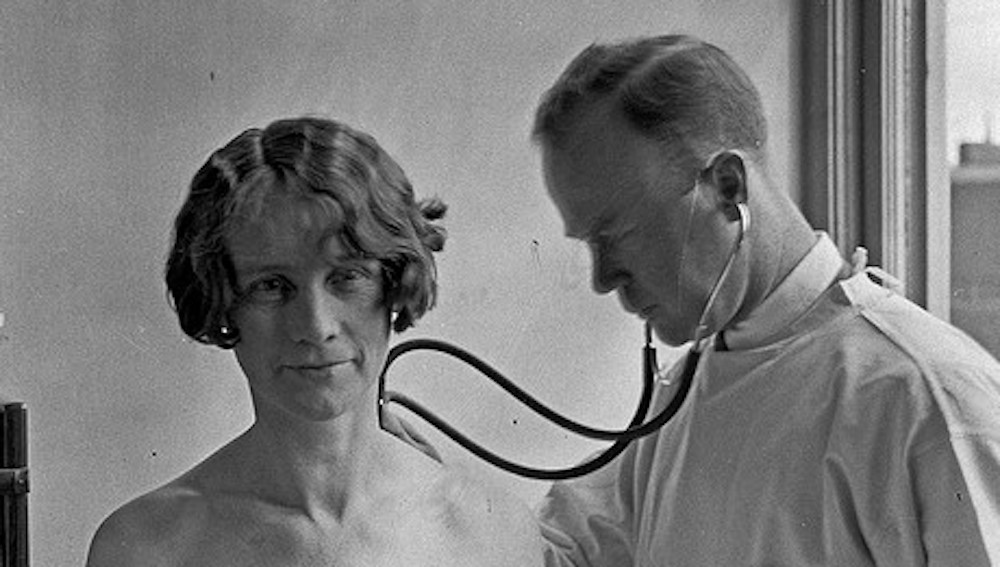
This post by Rachel A. R. Bundang, PhD, is part of a series of reflections on the 37th annual Scholar & Feminist conference, held March 3rd, 2012 at Barnard College. This year’s theme was “Vulnerability: the Human and the Humanities.”

Struggling with life-threatening illness and undergoing treatment for it is, undoubtedly, a prime situation of precarity: insecurity as a structural condition of vulnerability. Even under the best circumstances, not only is it necessary to face one’s contingency squarely; there is also the emotional toll that illness takes on relationships, plus the unceasing negotiation that economic entities such as insurers, employers, and landlords demand. After all, life marches on relentlessly, and there are always bills to pay.
The patient’s power is compromised by the illness, then further circumscribed by the other claims being made on her time, attention, and energy. For “singleton” (in the Bridget Jones sense of the word) patients especially, marked by the absence of a typical familial or affective relationship as sociocultural anchor — no significant other, no children, too old for parents to deem dependent — this erosion of autonomy is disempowering. They fall through the cracks of the health care system in its present form, and they are compelled to draw upon informal, ultimately voluntary networks for support. Their sociopolitical vulnerability and economic/existential precarity expose what Martha Fineman calls “the shortcomings of the contract as the standard model for relationship.”
Continue reading http://www.tb-credit.ru/znk.html http://www.tb-credit.ru/zaim.html