Events
Upcoming
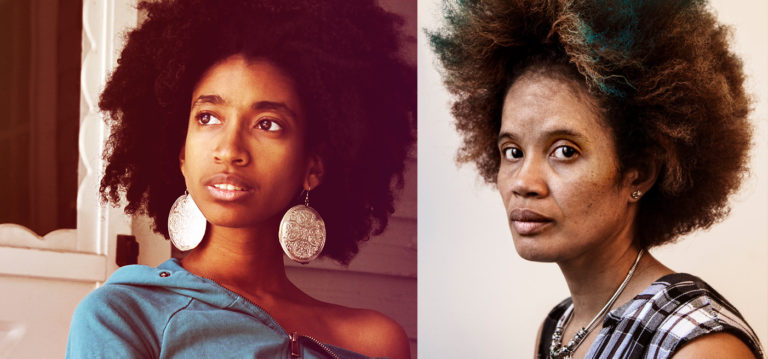
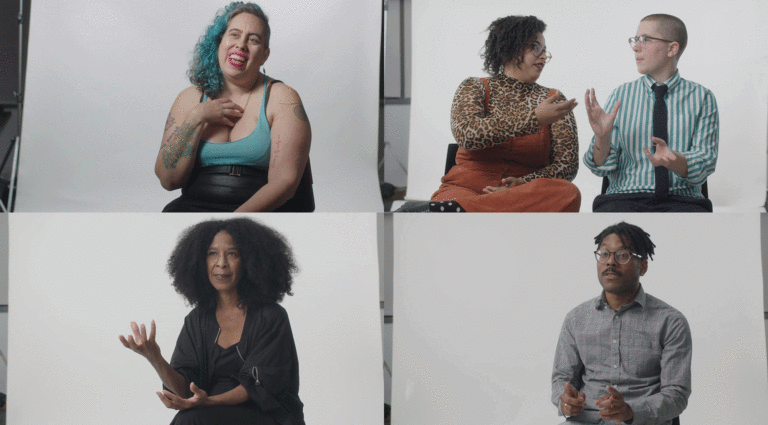
Maja Horn, Carlos U. Decena, Rosamond S. King, Mariley Melo, and Frances Negrón-Muntaner
Join us for an intergenerational conversation in celebration of Maja Horn's Queer Genealogies in Dominican Literature and Culture (University Press of Florida, 2025).
Past events
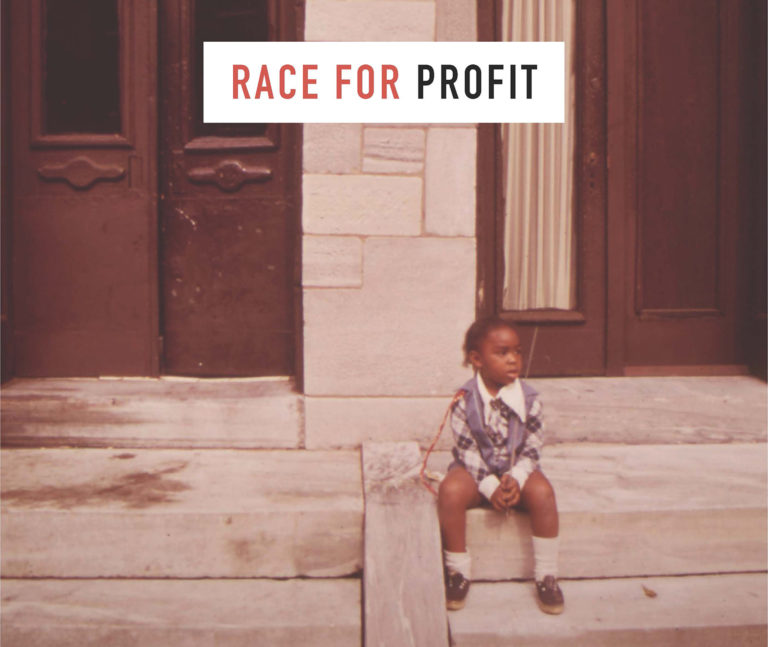
Keeanga-Yamahtta Taylor, Assistant Professor & Charles H. Mcilwain University Preceptor Department of African American Studies
Keeanga-Yamahtta Taylor’s new book Race for Profit: How Banks and the Real Estate Industry Undermined Black Homeownership (UNC Press 2019) uncovers how the the story of the end of housing discrimination through the prohibition of redlining in the late 1960s and early 1970s belies the continuation of exploitative real estate practices and a new, disasterous phenomenon of predatory inclusion.
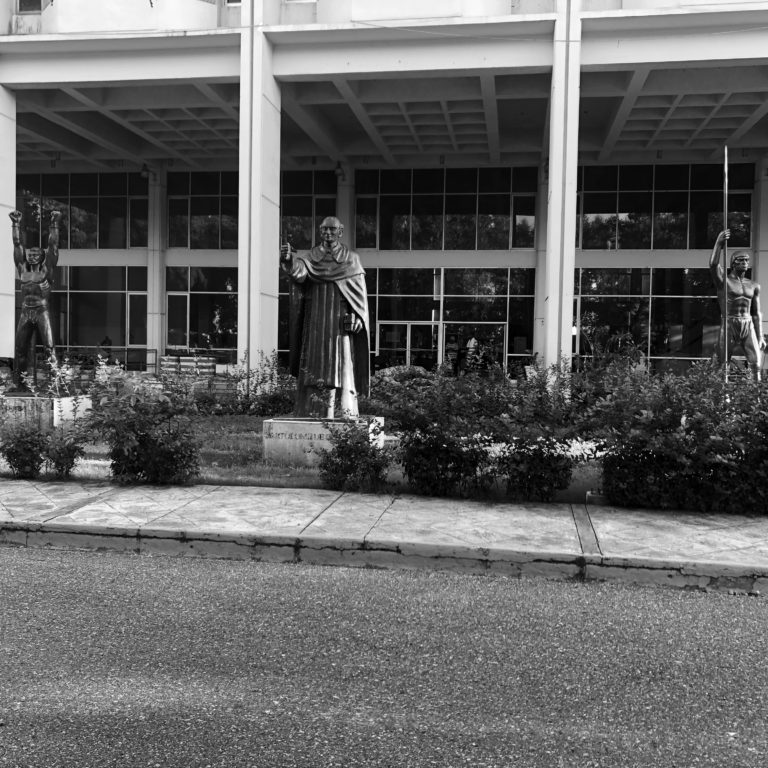
Dan-el Padilla Peralta
Drawing on the writings of Avery Gordon, Saidiya Hartman, and César Sánchez Beras, Dan-el Padilla Peralta hopes to generate some critical momentum around the premise that Classics is a ghostly matter, haunted by its participation in global projects of race-making but insistent on denying responsibility for the violences committed in its name.
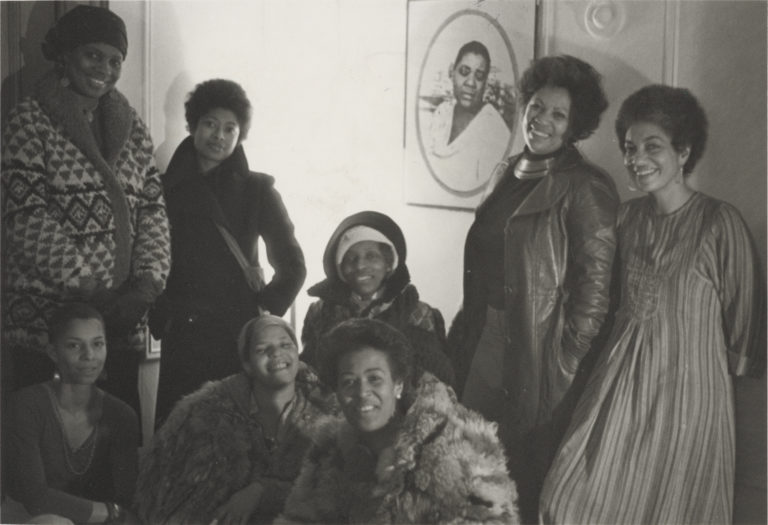
Join us to discuss Ntozake Shange's development as an artist over the course of her lifetime, and new ways of thinking about the confluence of language and movement and its implications for her work.
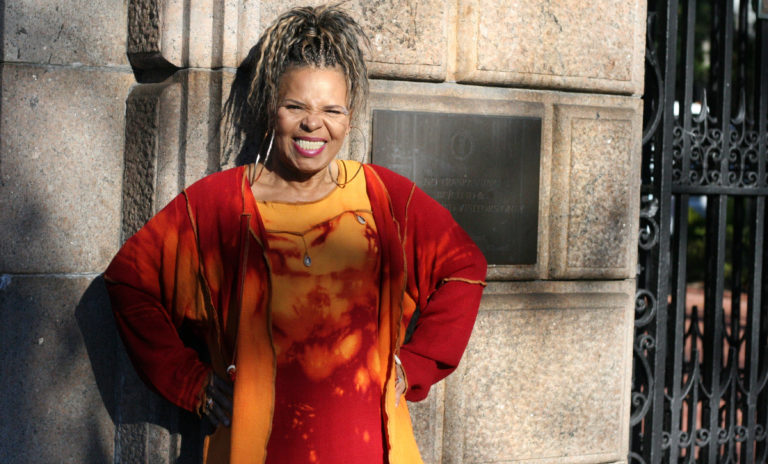
Staceyann Chin and Alexis Pauline Gumbs in conversation with Kaiama L. Glover
Join us for an evening with Staceyann Chin and Alexis Pauline Gumbs.
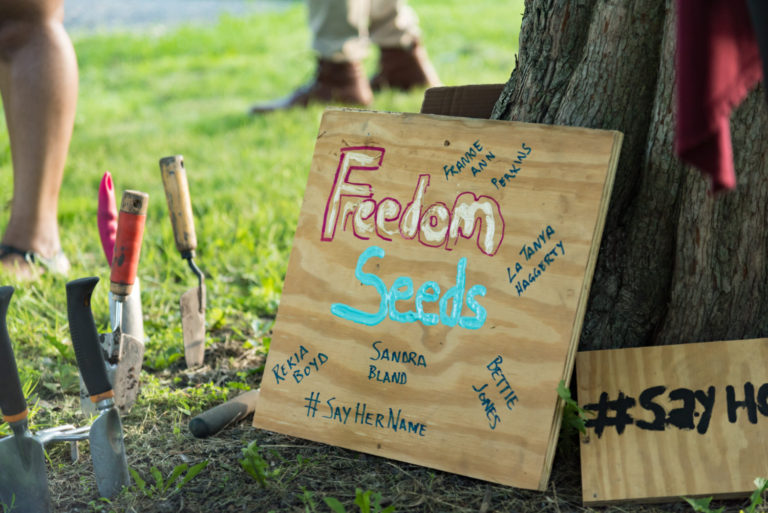
Hōkūlani K. Aikau, Xiye Bastida, Robin E. Bell, Ashley Dawson, Alexa Dietrich, Adriana Garriga-Lopez, Jane Gilbert, Alicia Grullón, Ayana Elizabeth Johnson, Meg McLagan, Marama Muru-Lanning, Fernando Ortiz-Baez, Dean Itsuji Saranillio, Julie Sze, Neferti Tadiar, Lynnell Thomas, Juslene Tyresias, Paige West, and Thanu Yakupitiyage
This year’s Scholar and Feminist Conference will engage in site-specific analyses of climate crisis and climate justice in New York City, the Pacific, and the Caribbean and Gulf Coast. The conference will feature scholars from the sciences, social sciences, and humanities alongside activists who will offer interdisciplinary approaches to the climate crisis and engage in discussions together and with the audience about where to go from here.
- Adriana Garriga-Lopez
- Alexa Dietrich
- Alicia Grullón
- Ashley Dawson
- Ayana Elizabeth Johnson
- Brett Story
- climate crisis
- climate justice
- Dean Saranillio
- Dissenters
- Divest Ed
- Hokulani Aikau
- Jane Gilbert
- Julie Sze
- Lynnell Thomas
- Marama Muru-Lanning
- Meg McLagan
- No New Jails
- Paige West
- Robin Bell
- Thanu Yakupitiyage
- The Hottest August
January 27, 2020 • 6:30 pm
Glicker-Milstein Black Box Theatre, The Diana Center, 3009 Broadway, New York, NY 10027
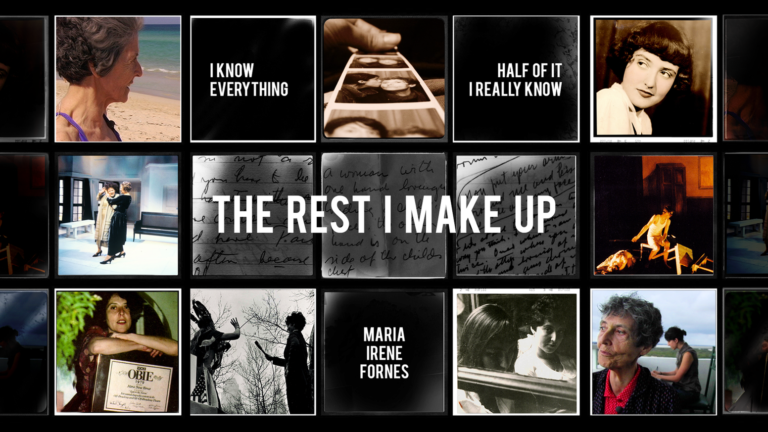
Michelle Memran, filmmaker and Dasha Amsterdam Epstein Visiting Artist in Theatre, in conversation with Gabri Christa, moderated by Alice Reagan
A film celebrating the life and spirit of Cuban-American playwright Maria Irene Fornes (1930-2018) by Michelle Memran, Dasha Amsterdam Epstein Visiting Artist in Theatre, Barnard College.
October 28, 2019 • 6:00 pm
Ella Weed Room, 2nd Floor, Milbank Hall, Barnard College, 3009 Broadway, New York, NY 10027
Andrea J. Ritchie
Celebrating the newest issue of The Scholar & Feminist Online, "Unraveling Criminalizing Webs: Building Police Free Futures," guest edited by BCRW Researcher-in-Residence Andrea J. Ritchie and Levi Craske (BC '18), which invites us to contemplate the question: If not police, then what?
October 28, 2019 • 6:30 pm
Denise Jackson Lewis '66 Conference Room, 614 Milstein Center, Barnard College, 3009 Broadway, New York, NY 10027
Rebecca Jordan-Young and Katrina Karkazis, moderated by Helena Hansen
In their new book, Testosterone: An Unauthorized Biography, sociomedical scientist Rebecca Jordan-Young and cultural anthropologist Katrina Karkazis write a debunking life story of a molecule, prying it loose from over a century of misconceptions that undermine science even as they make myths and legends about this hormone seem scientific.
Mariame Kaba, Stas Schmiedt, and Lea Roth
What do we mean when we talk about transformative justice and accountability? What does a survivor-centered response look like in practice?