
Counterlistenings: Sound, Power, Resistance

Contributors include Rayya Badran, Elena L. Cohen, Olani Ewunnet, Uzma Falak, KMRU, Rebecca Lentjes, Nicole L’Huillier, Siv B. Lie, and Shana L. Redmond
Annual Report 2023-2025
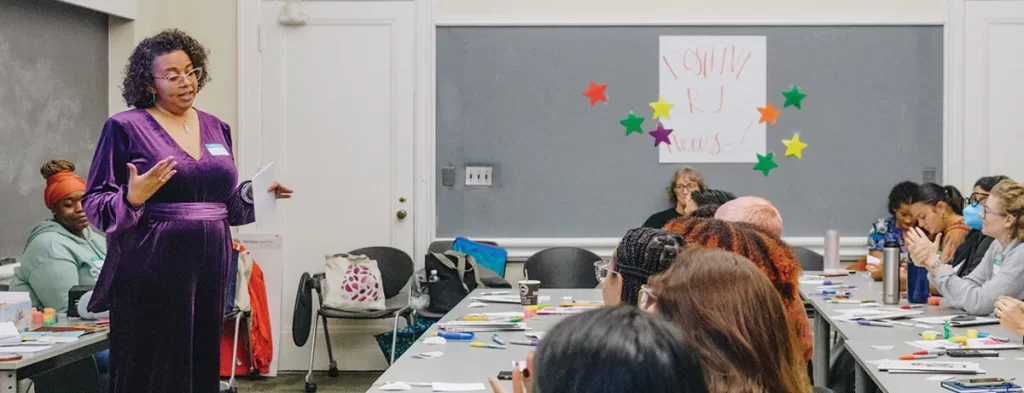
Report on BCRW activities and accomplishments from 2023-2025.
Troubling Care
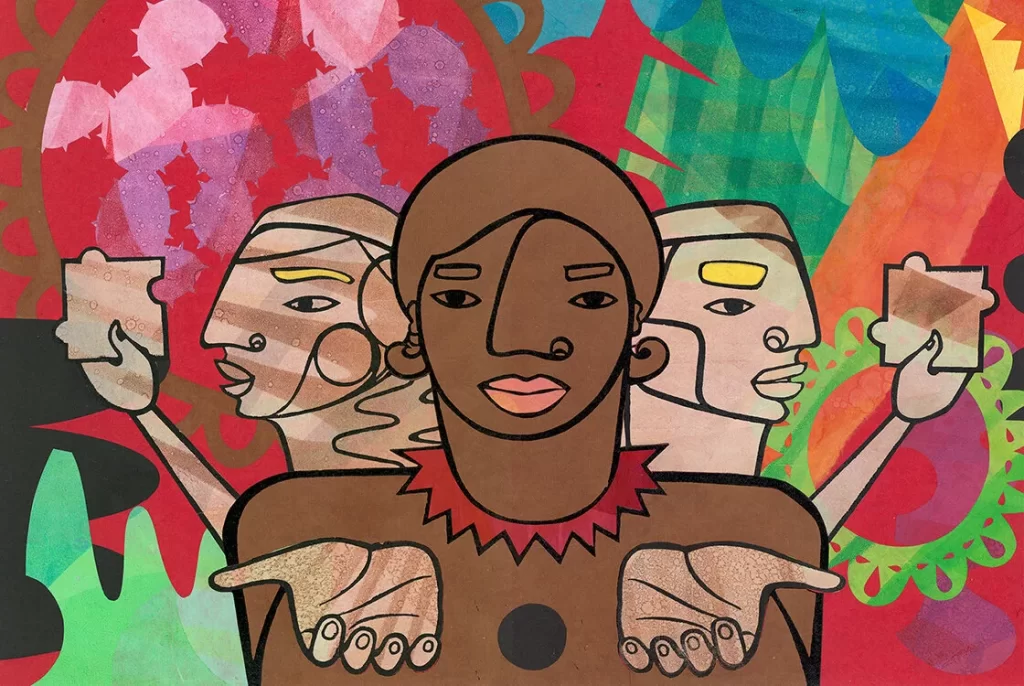
Contributors include Rachel Brown, Jennifer N. Fish, Gwendolyn Fowler, Michelle E. Grier, Vivianne Guevara, Lisa Jahn, Joyce McMillan, Beverley Mullings, Linda Oalican, Riya Ortiz, Miriam Ticktin, Alissa Trotz, Carmen Winant
Abolition Feminism and the Politics of Reproduction
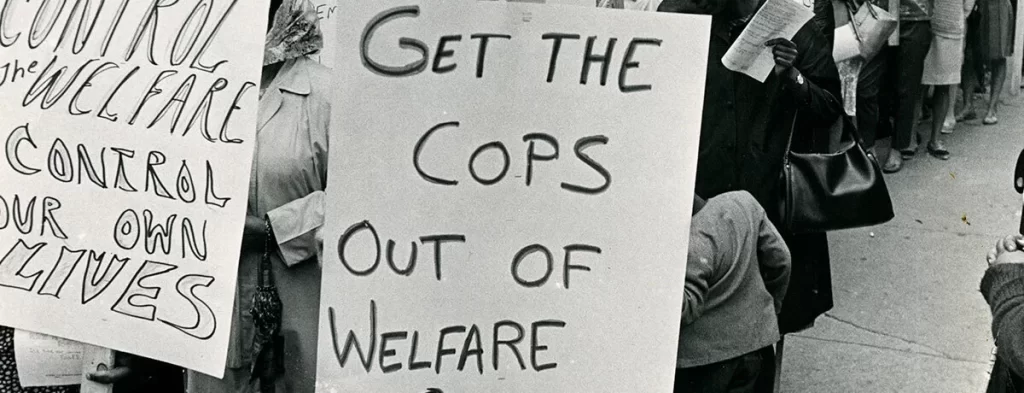
Guest editors Sarah Haley and Emily Thuma gather contributions that examine how gendered, racialized, and classed forms of life are both sustained and constrained by carceral systems, and how abolitionist praxis reimagines and rebuilds the reproduction of the social otherwise. Abolition feminism here operates as analytic and an ethic: a refusal of state violence with a commitment to building alternative infrastructures of care, safety, and survival.
Rage, Struggle, Freedom
Contributions by Nagihan Akarsel (Jineolojî Academy), Electra B., Azza Basarudin, Loren Cahill. Chinese Artists and Organizers (CAO) Collective 离离草, Livia de Souza Vidal, J. D. Harlock, The International Women’s Network Against Militarism (IWNAM), Iida Käyhkö, Bramsh Khan, Youree Kim, Arianne Napier-White, Şervîn Nûdem (Jineolojî Academy), Ximena Keogh Serrano, Loan Tran, Fadwa Tuqan, Helena Wacko, and the YVE Collective.
Reproductive Injustice
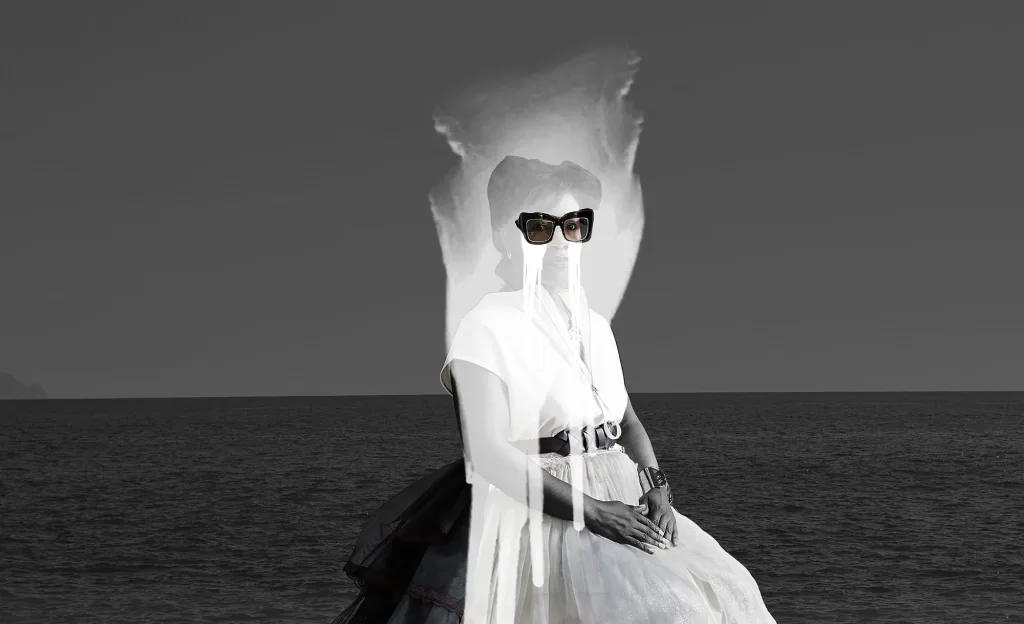
Guest edited by the Editorial Board with contributors Dána-Ain Davis, Virginia R. Dominguez, Ugo F. Edu, Nessette Falu, Sarah Haley, Frances M. Howell, Janet Jakobsen, Kelly Marshall, Devika Maulik, Premilla Nadasen, Miriam Neptune, Cara Page, and Hakima Payne
To Make Visible Everywhere: Our Bold, Beautiful, Aging Bodies
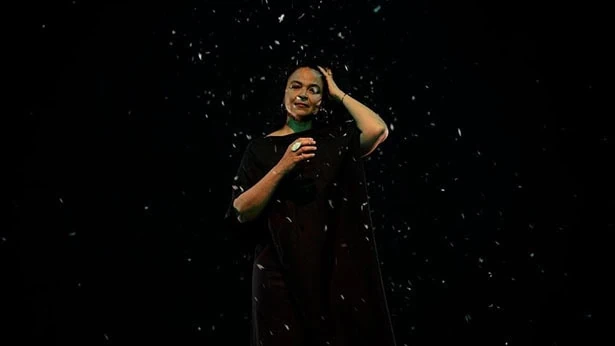
In this special issue “To Make Visible,” guest editors Gabri Christa and Sheril Antonio have curated a selection of essays, videos, interviews, and visual art by women of color on race, performance, embodiment, and aging.
Paradoxes of Neoliberalism: Sex, Gender, and Possibilities for Justice

From the rise of far-right regimes to the tumult of the COVID-19 pandemic, recent years have brought global upheaval as well as the sedimentation of longstanding social inequalities. Analyzing the complexities of the current political moment in different geographic regions, this book addresses the paradoxical persistence of neoliberal policies and practices, in order to ground the pursuit of a more just world.
Race-ing Queens

In this special issue, “Race-ing Queens,” Guest Editors Mira Assaf Kafantaris, Treva B. Lindsey, and Sonja Drimmer have curated a selection of essays looking transhistorically at queens, queenship, and queendom from the margins.
Annual Report 2021-2022

Report on BCRW activities and accomplishments from 2021-2022.
Annual Report 2020-2021
Report on BCRW accomplishments from 2020-2021.
Transnational Feminisms: Contexts, Topics, Forms
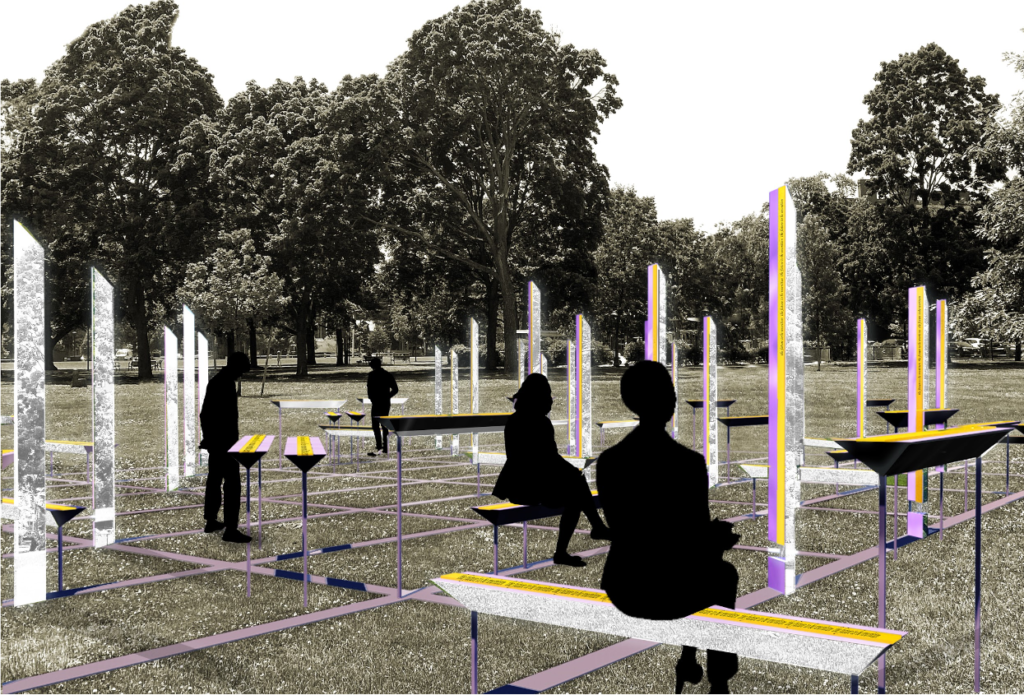
This new issue of The Scholar and Feminist Online co-edited by Attiya Ahmad and Catherine Sameh emerged out of a 2014 conference held at Barnard College to mark the twentieth anniversary of Inderpal Grewal and Caren Kaplan’s seminal work, Scattered Hegemonies: Postmodernity and Transnational Feminist Practice.
BCRW @ 50
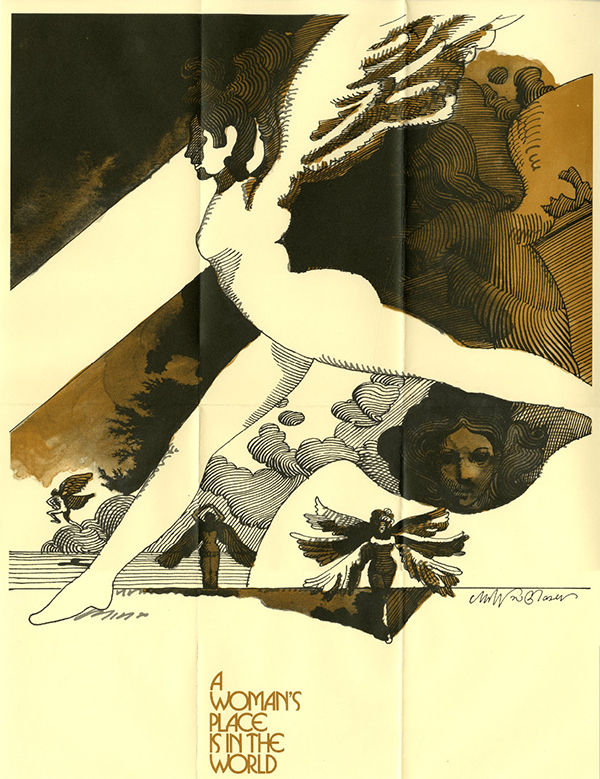
Documenting BCRW’s history in the context of Barnard College, the emergence of women’s studies and ethnic studies as disciplines and women’s resource centers as institutions, and in broader social movements for gender and sexual liberation, anti-racism and labor and working-class movements.
Undiminished Blackness: Zora Neale Hurston as Theory and Practice
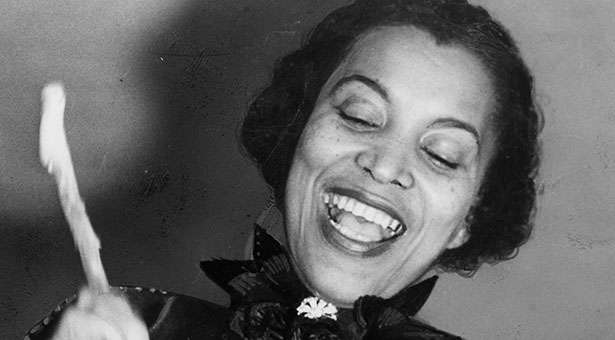
Edited by Monica L. Miller and Tami Navarro, this issue celebrates the work of Zora Neale Hurston and engages with scholarship made possible by her innovations in theory, method, and practice.
Annual Report 2019-2020
Report on BCRW accomplishments from 2019-2020.
Caribbean Feminisms: Interventions in Scholarship, Art, and Activism across the Region
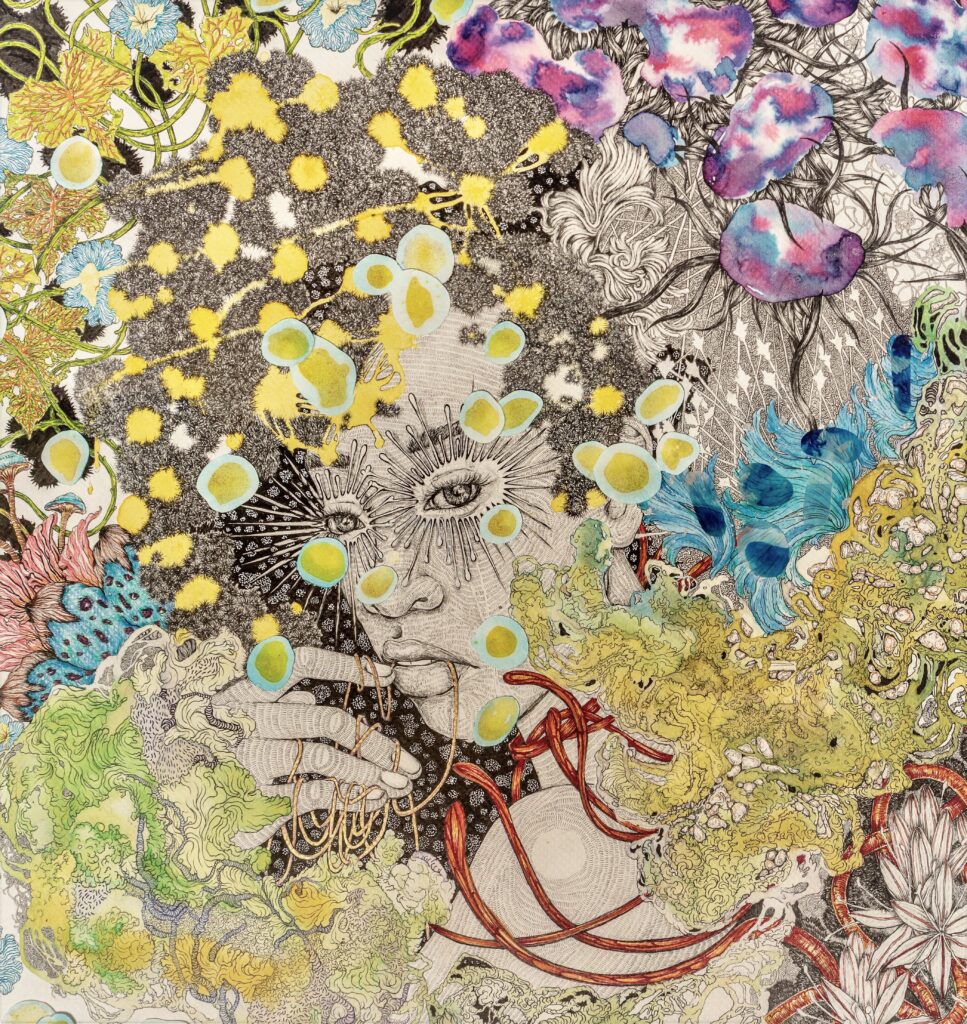
Edited by Tonya Haynes and Tami Navarro, this issue offers multiple ways to engage with feminist thought and action in the Caribbean through prose, poetry, and personal reflection by artists, academics, and activists.
Unraveling Criminalizing Webs: Building Police Free Futures
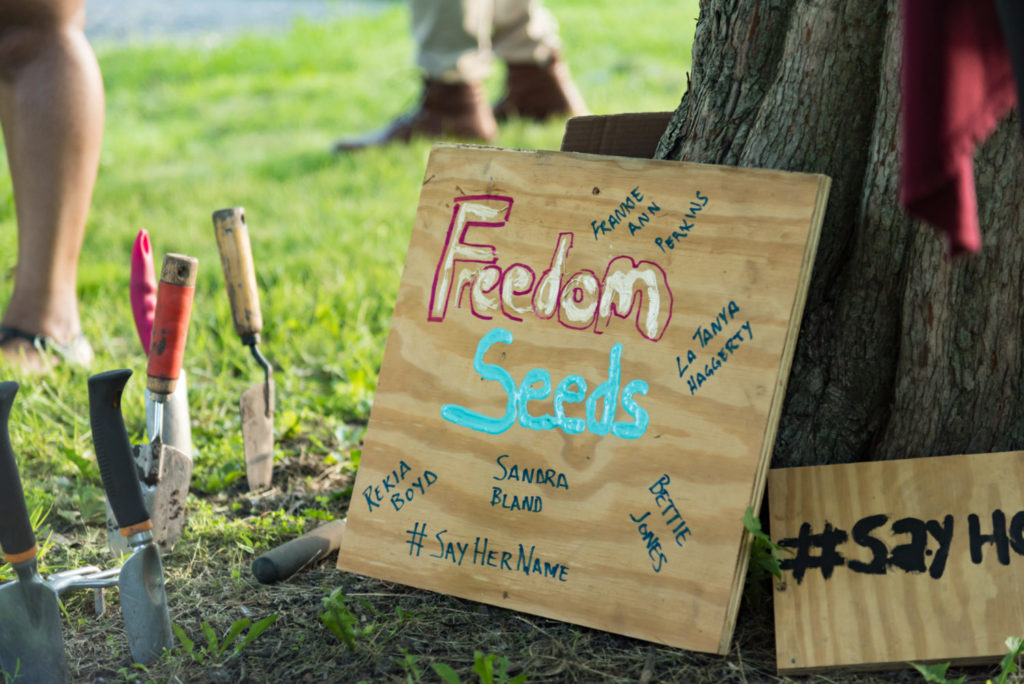
This issue of S&F Online invites us to contemplate the question: If not police, then what? How must our everyday conversations, celebrations, and community creations lead us on a path toward transformative approaches to safety and healing?
Annual Report 2017-2019
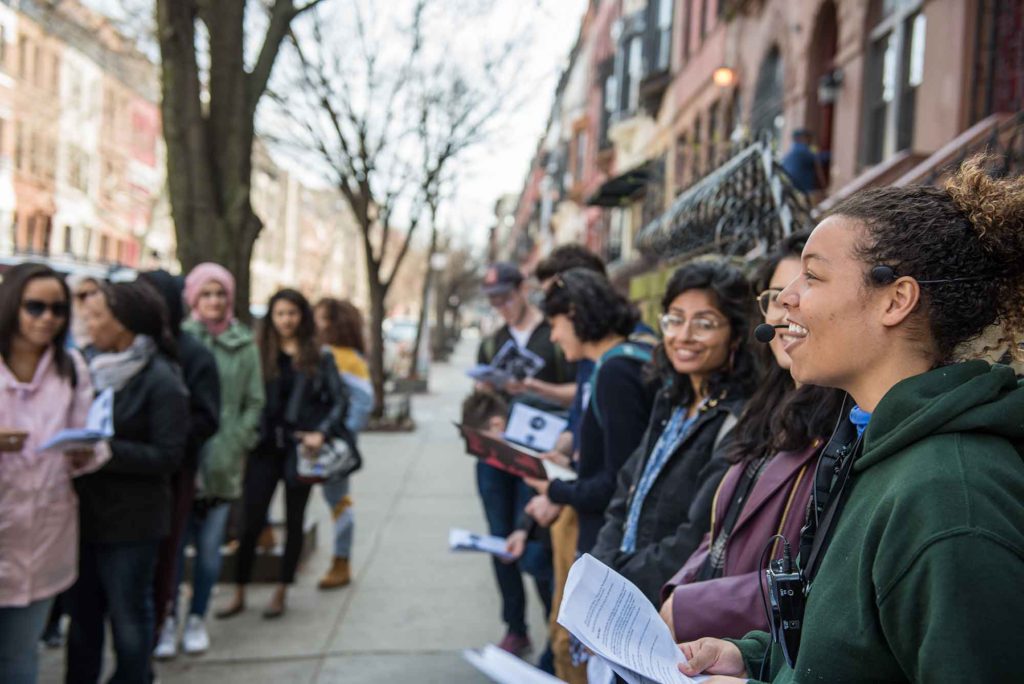
Report on BCRW accomplishments from Fall 2017 – Spring 2019.
Radical Black Women of Harlem Walking Tour
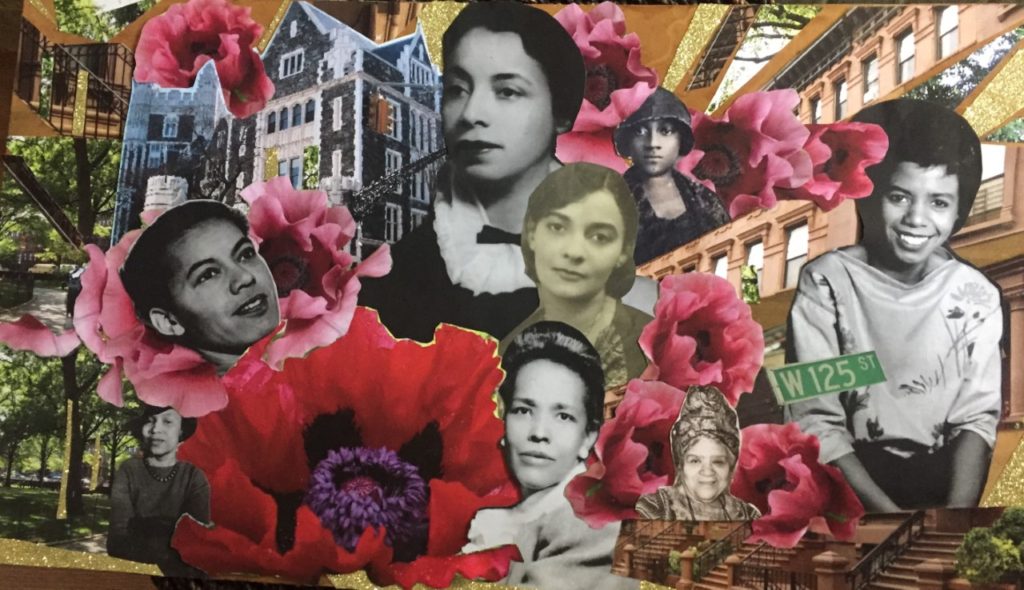
The Radical Black Women of Harlem Walking Tour was researched by Asha Futterman with support from Mariame Kaba, with map design by Arrianna Planey, and publication design by Neta Bomani. This tour guide is designed for educational and organizing use by students, educators, and community members.
Neurogenderings

What happens when we approach the brain as a shared object of perplexity? What happens when neuroscientists take the time and effort to reflect upon the past, present, and future progress within their own field? What happens when the question of how to study sex and/or gender differences in the brain is opened up to interdisciplinary perspectives and is not treated as a given? What if dissensus in neuroscience research is seen as an opportunity to think about science, bodies, and technologies otherwise?
Immigrants and Refugees Are Welcome Here: A Resource Guide for Service Providers Working with Immigrants who are LGBTQ, Sex Workers, and/or HIV-Positive
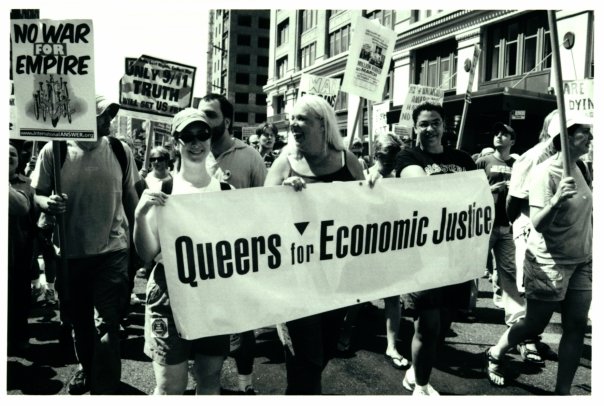
This resource guide is intended for service providers to improve their competency to better assist clients in these dangerous times, and reduce secondary traumas in their practice. It is intended as a living document to be used and adapted based on feedback from clients, community members, activists, and service providers, as well as changes to our political landscape.
Women and Community in Early Modern Europe: Approaches and Perspectives
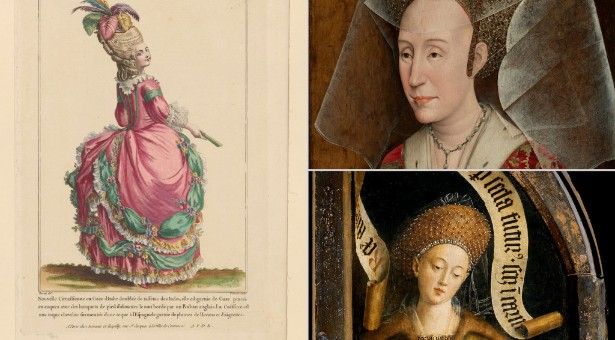
The latest issue of Scholar and Feminist Online, entitled “Women and Community in Early Modern Europe: Approaches and Perspectives,” explores how we can broaden our study and understanding of the roles and identities women forged for themselves within social collectives.
Responding to Violence, Restoring Justice
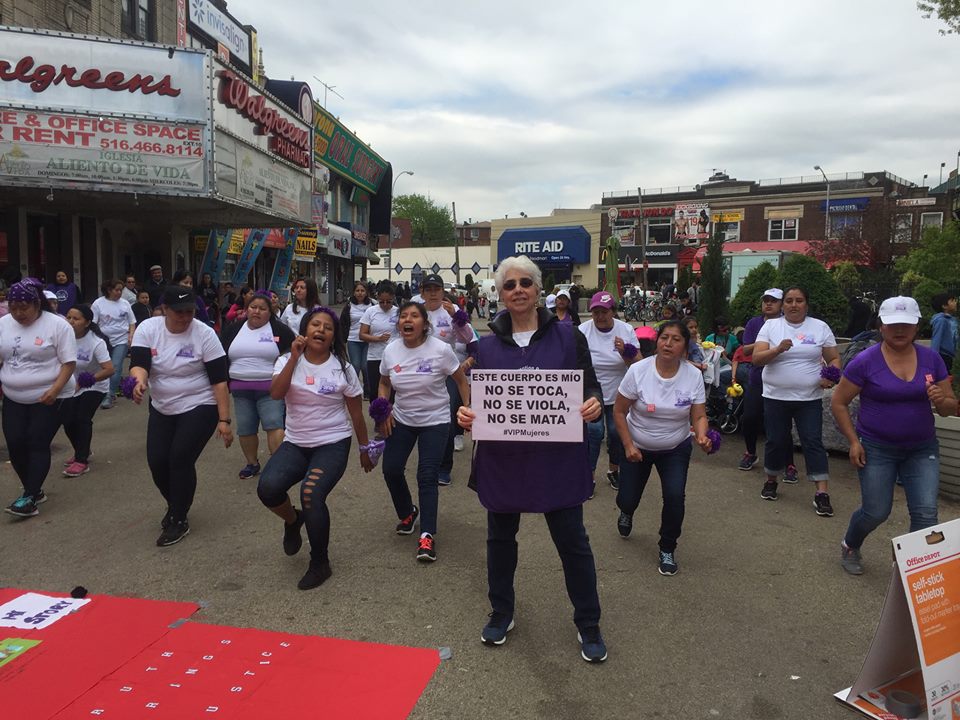
Table of Contents Introduction Feminist anti-violence movement development towards incarceration Criminalization and the feminist anti-violence movement The neoliberal carceral state Prison abolition Community-based alternatives Intersectionality and the feminist anti-violence movement Organizational directory Introduction At a promising moment in the history of the feminist anti-violence movement, a number of activist organizations are carving new means to […]
Feminist and Queer Afro/Asian Formations
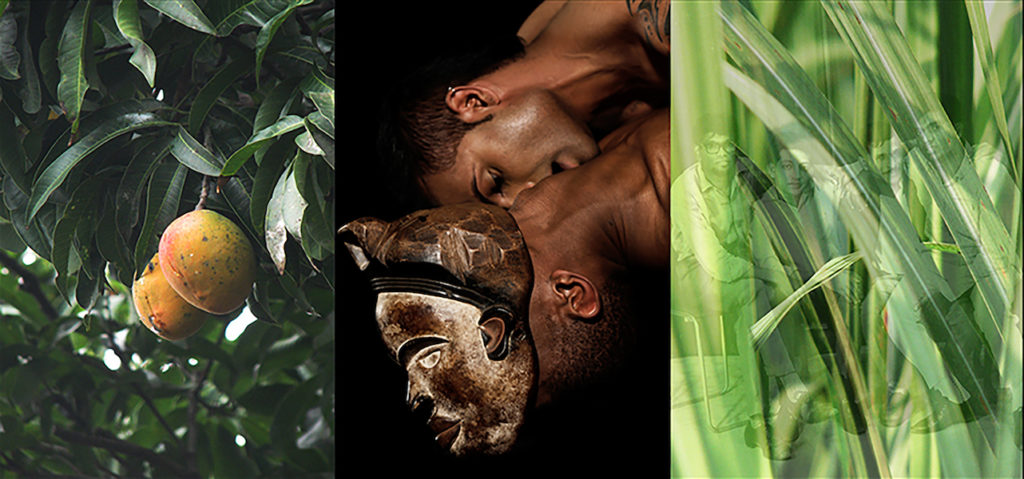
This issue of Scholar and Feminist Online, “Feminist and Queer Afro-Asian Formations,” edited by Vanita Reddy and Anantha Sudhakar, marks a key intervention into Afro-Asian studies, one that insists upon centering a feminist and queer framework.
Thinking Queer Activism Transnationally
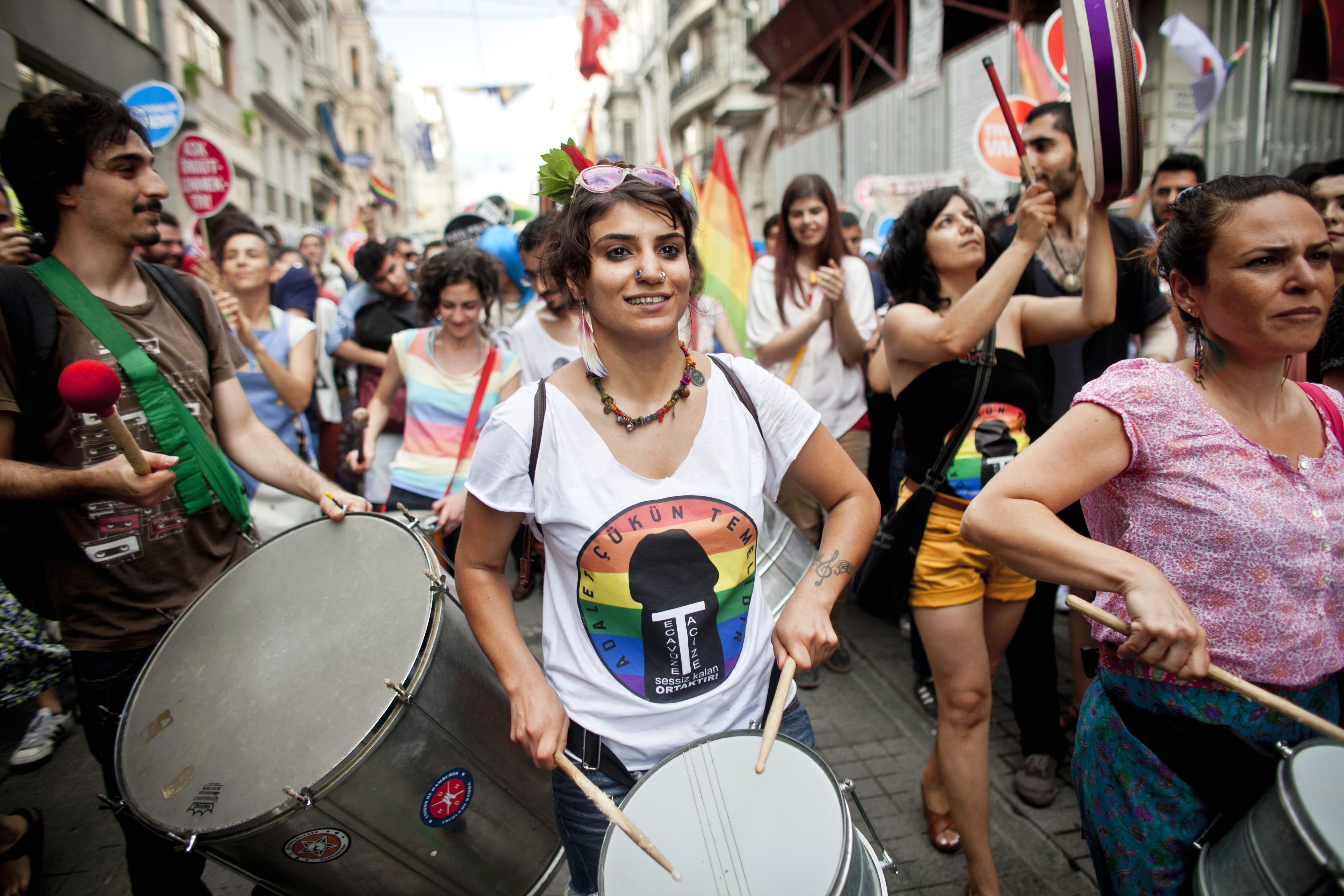
This issue of Scholar and Feminist Online, edited by Gema Pérez-Sánchez and Brenna Munro, theorizes and engages with queer activism across national boundaries and between the Global North and Global South. Grappling with ideas and issues including transnational solidarity, human rights, coalitional politics, im/migration, diaspora, borders, and imperalism, contributors offer examples of multi-directional, multi-vocal, strategic, and affective activist practices for a transnational queer activist agenda.
The Crisis of Criminalization: A Call for a Comprehensive Philanthropic Response

This report calls for immediate, concerted, comprehensive, sustained, cross-sector, collaborative philanthropic response to the growing crisis of criminalization, and outlines strategies to more effectively tackle criminalization and mass incarceration, to stop the spread of surveillance and punishment, and to meet the challenges of the current political climate.
Annual Report 2015-2017
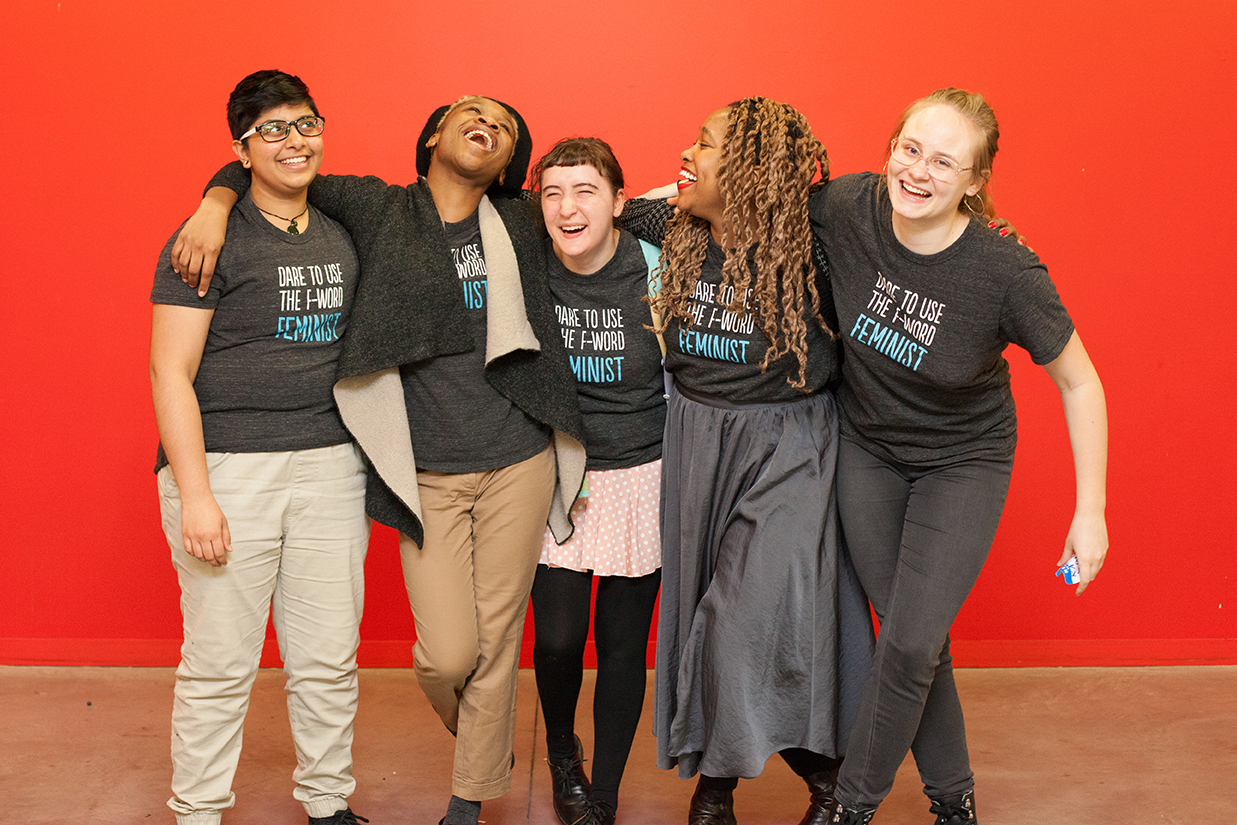
Report on BCRW accomplishments from Fall 2015 – Spring 2017.
Queer/Religion
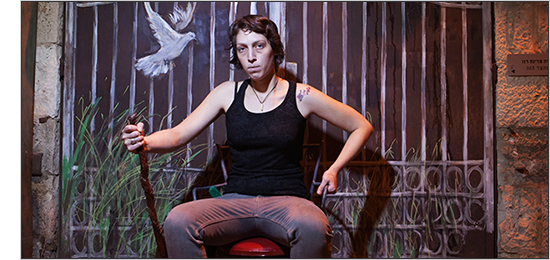
This issue of The Scholar and Feminist Online, edited by Elizabeth A. Castelli, brings together scholarship rooted in Queer Studies and Religious Studies, exploring the intersections of these areas of inquiry which are too-often constructed as entirely separate. The contributions to this volume are largely drawn from a BCRW-convening entitled “At the Intersection of Queer Studies and Religion,” held in November 2013. Together, these short essays contribute to a theoretical and empirical cartography for mapping the terrain at the intersections of queer studies and religion.
Traversing Technologies

In “Traversing Technology,” scholars drawn primarily from the arts and humanities offer close readings of the multifaceted histories, consequences, potential adaptations and mutilations of scientific and technical productions. Uniting these diverse sites of inquiry is the necessity of movement in order to understand or act—the refusal of a god’s eye view frozen in one all seeing perspective. The authors refuse a physical/virtual division, as they map the monstrous meanings of suburban homes, dive into scatalogical biopolitical governmentalities, surface the long gendered pre-history of selfie culture, celebrate trans people of color’s poetic stitching of social wounds, trace the frequent construction of Asian Americans as racialized machines, link the prescient wisdom of the Combahee River Collective to the ways internet architecture imperils black lives, generate new opportunities to infect technology with viral feminist knowledges, and offer up the parasite as a model for our relationship to social networks.
Digital Shange
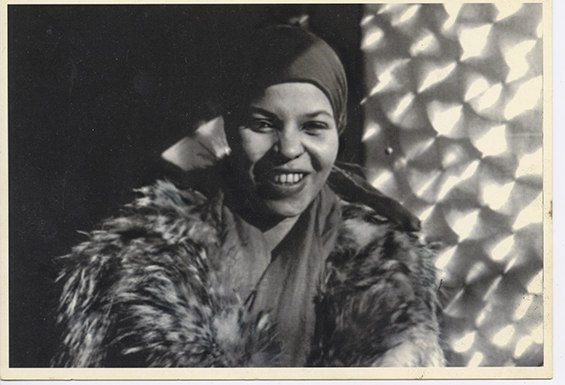
The Digital Shange Project uses the works of Barnard alumna Ntozake Shange (BC ’70) and her recently donated archive to offer students a broader understanding of African diaspora, women’s history and feminist politics; an integrated study of the performing arts; and the potential for personal transformation.