
Counterlistenings: Sound, Power, Resistance
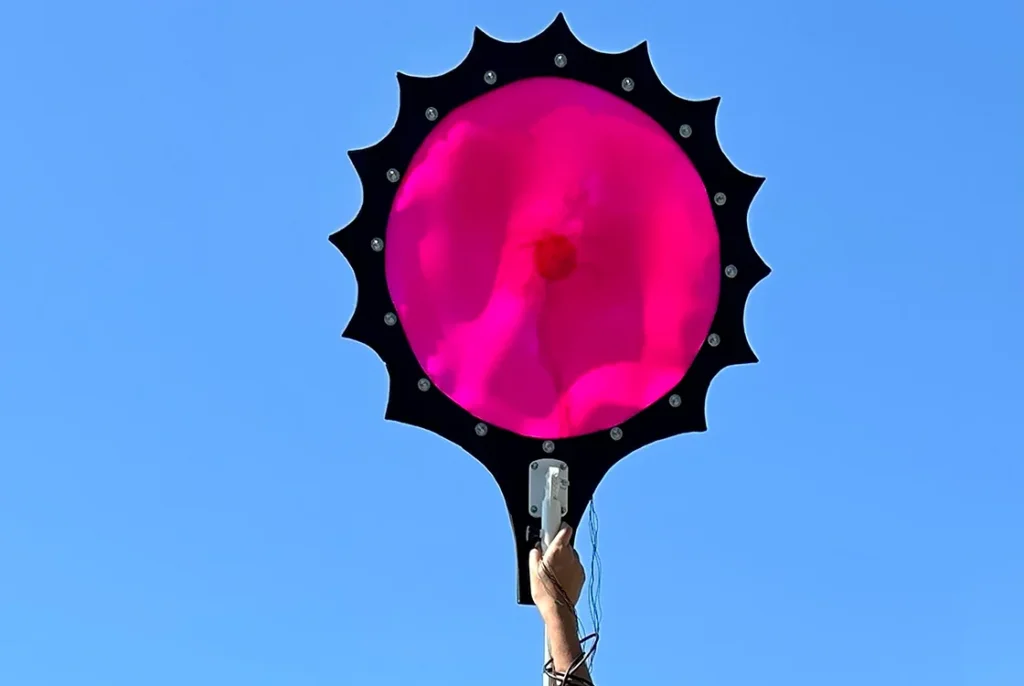
Contributors include Rayya Badran, Elena L. Cohen, Olani Ewunnet, Uzma Falak, KMRU, Rebecca Lentjes, Nicole L’Huillier, Siv B. Lie, and Shana L. Redmond
Troubling Care
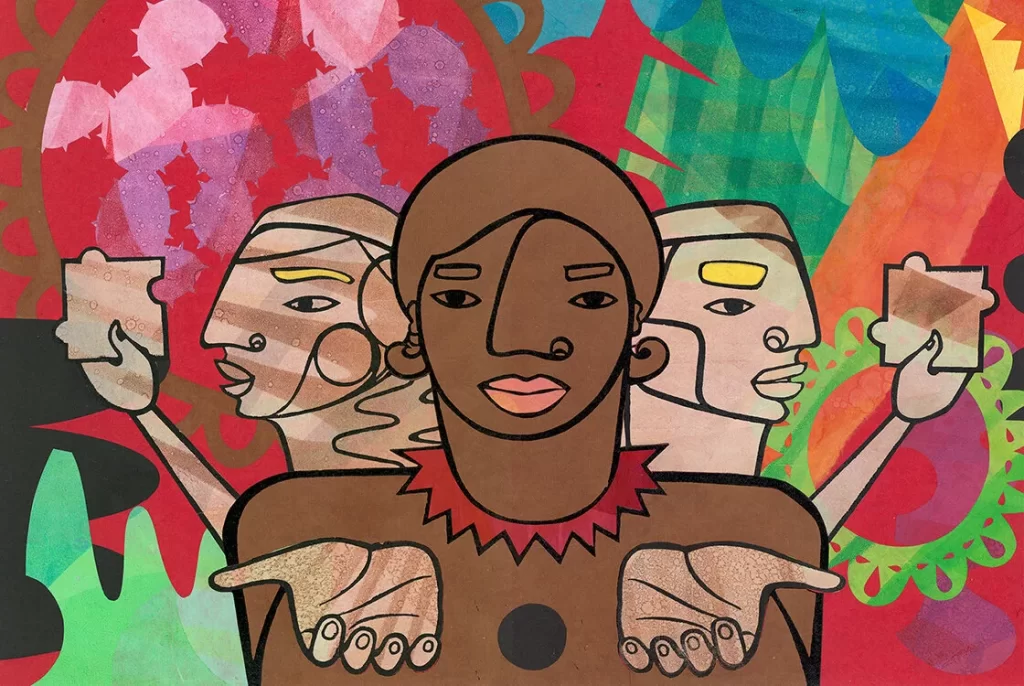
Contributors include Rachel Brown, Jennifer N. Fish, Gwendolyn Fowler, Michelle E. Grier, Vivianne Guevara, Lisa Jahn, Joyce McMillan, Beverley Mullings, Linda Oalican, Riya Ortiz, Miriam Ticktin, Alissa Trotz, Carmen Winant
Abolition Feminism and the Politics of Reproduction
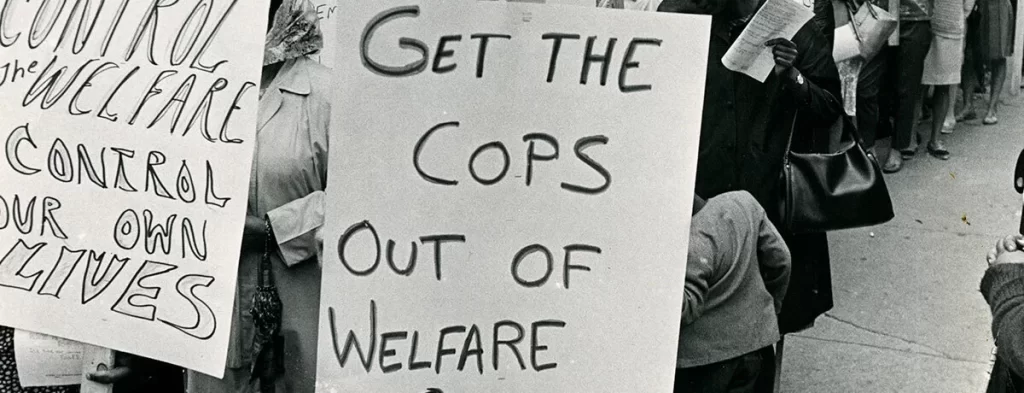
Guest editors Sarah Haley and Emily Thuma gather contributions that examine how gendered, racialized, and classed forms of life are both sustained and constrained by carceral systems, and how abolitionist praxis reimagines and rebuilds the reproduction of the social otherwise. Abolition feminism here operates as analytic and an ethic: a refusal of state violence with a commitment to building alternative infrastructures of care, safety, and survival.
Rage, Struggle, Freedom
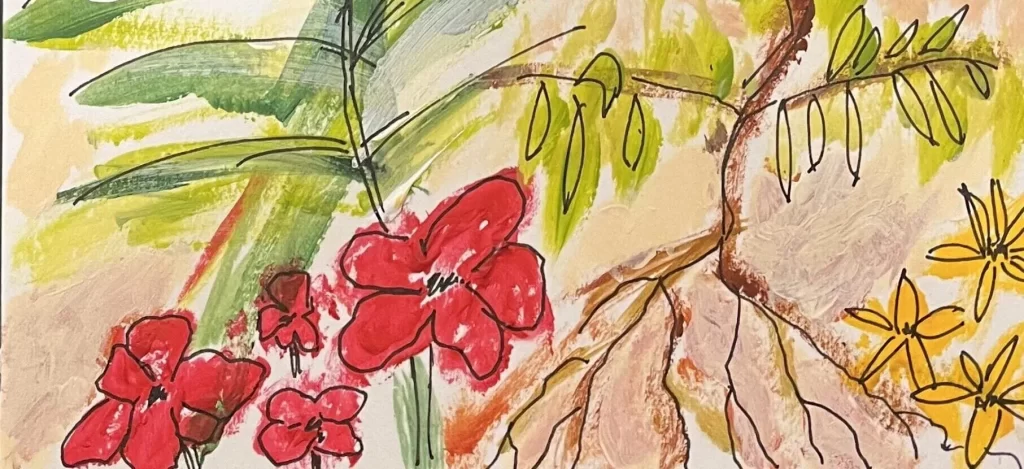
Contributions by Nagihan Akarsel (Jineolojî Academy), Electra B., Azza Basarudin, Loren Cahill. Chinese Artists and Organizers (CAO) Collective 离离草, Livia de Souza Vidal, J. D. Harlock, The International Women’s Network Against Militarism (IWNAM), Iida Käyhkö, Bramsh Khan, Youree Kim, Arianne Napier-White, Şervîn Nûdem (Jineolojî Academy), Ximena Keogh Serrano, Loan Tran, Fadwa Tuqan, Helena Wacko, and the YVE Collective.
Reproductive Injustice

Guest edited by the Editorial Board with contributors Dána-Ain Davis, Virginia R. Dominguez, Ugo F. Edu, Nessette Falu, Sarah Haley, Frances M. Howell, Janet Jakobsen, Kelly Marshall, Devika Maulik, Premilla Nadasen, Miriam Neptune, Cara Page, and Hakima Payne
To Make Visible Everywhere: Our Bold, Beautiful, Aging Bodies
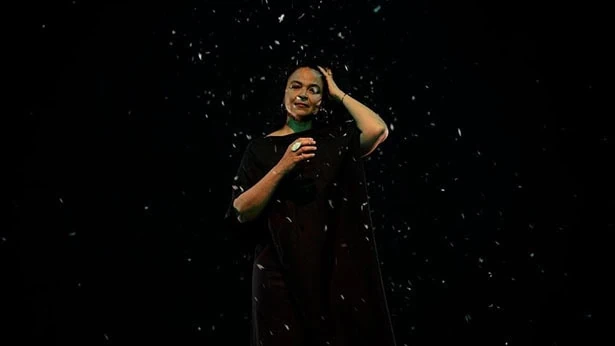
In this special issue “To Make Visible,” guest editors Gabri Christa and Sheril Antonio have curated a selection of essays, videos, interviews, and visual art by women of color on race, performance, embodiment, and aging.
Race-ing Queens

In this special issue, “Race-ing Queens,” Guest Editors Mira Assaf Kafantaris, Treva B. Lindsey, and Sonja Drimmer have curated a selection of essays looking transhistorically at queens, queenship, and queendom from the margins.
Transnational Feminisms: Contexts, Topics, Forms
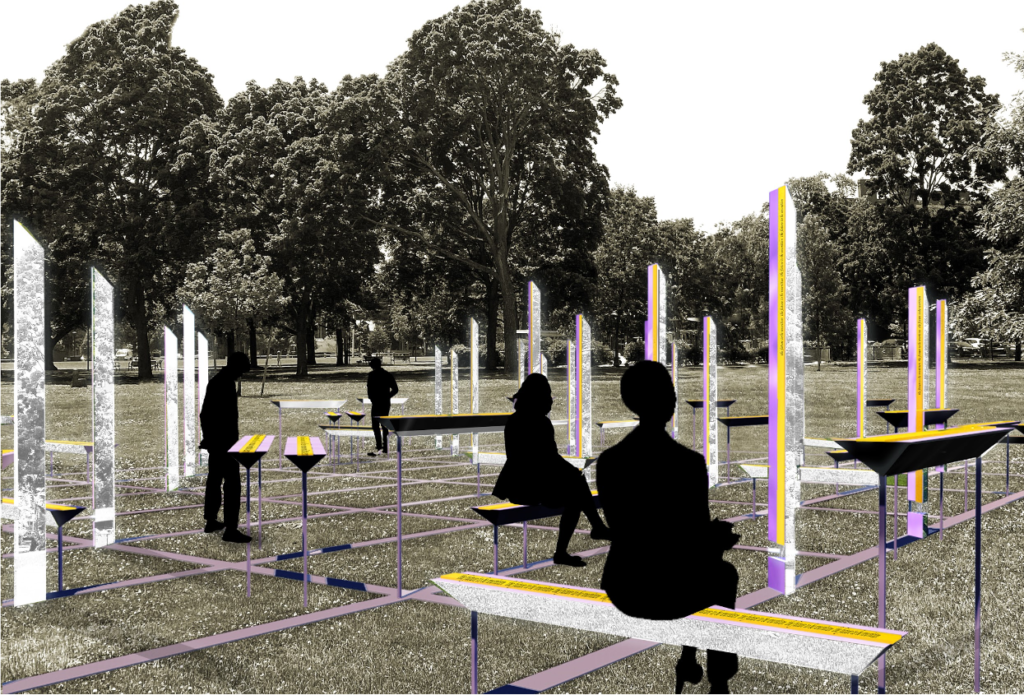
This new issue of The Scholar and Feminist Online co-edited by Attiya Ahmad and Catherine Sameh emerged out of a 2014 conference held at Barnard College to mark the twentieth anniversary of Inderpal Grewal and Caren Kaplan’s seminal work, Scattered Hegemonies: Postmodernity and Transnational Feminist Practice.
Undiminished Blackness: Zora Neale Hurston as Theory and Practice
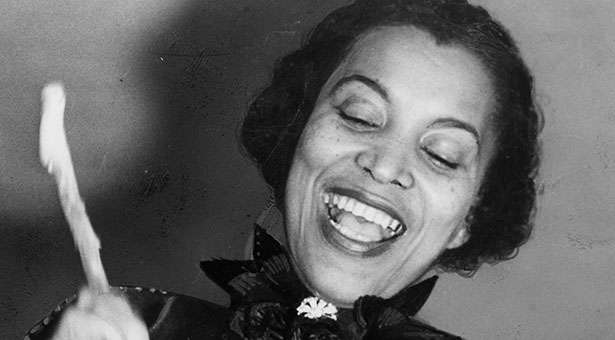
Edited by Monica L. Miller and Tami Navarro, this issue celebrates the work of Zora Neale Hurston and engages with scholarship made possible by her innovations in theory, method, and practice.
Caribbean Feminisms: Interventions in Scholarship, Art, and Activism across the Region
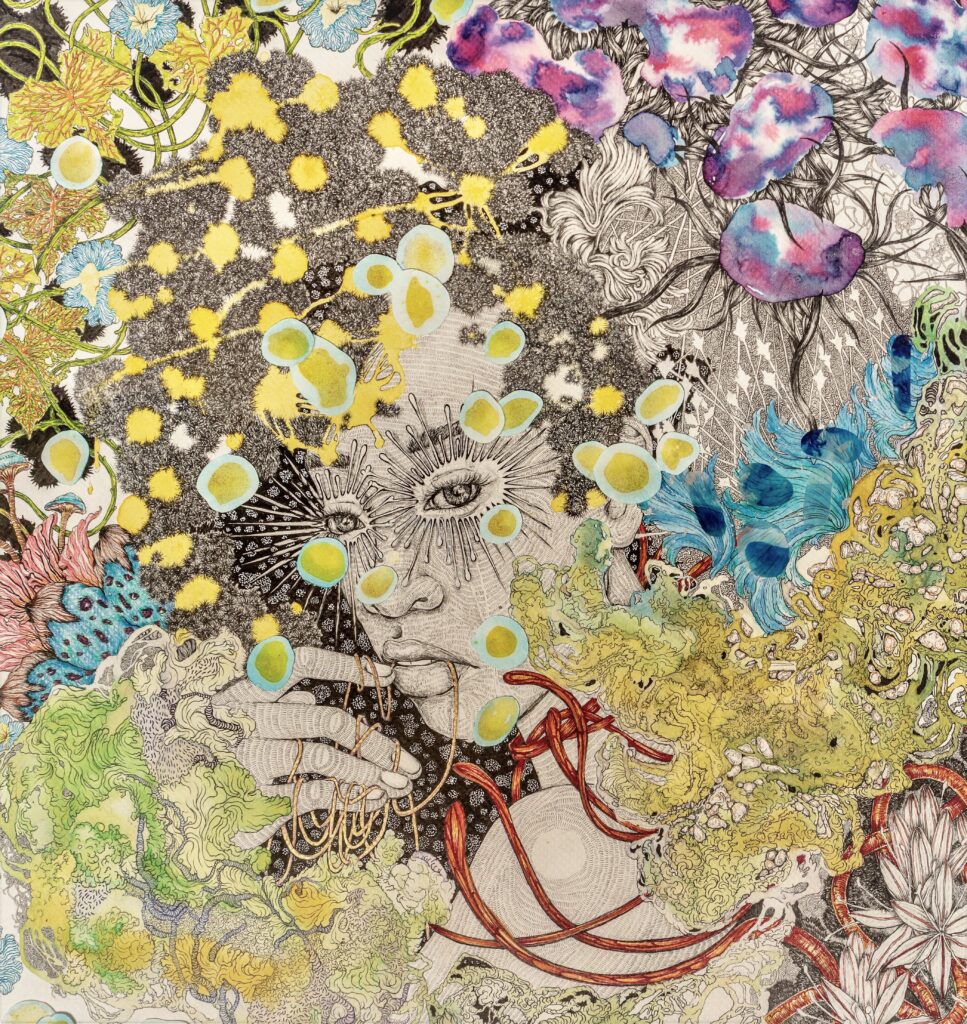
Edited by Tonya Haynes and Tami Navarro, this issue offers multiple ways to engage with feminist thought and action in the Caribbean through prose, poetry, and personal reflection by artists, academics, and activists.
Unraveling Criminalizing Webs: Building Police Free Futures
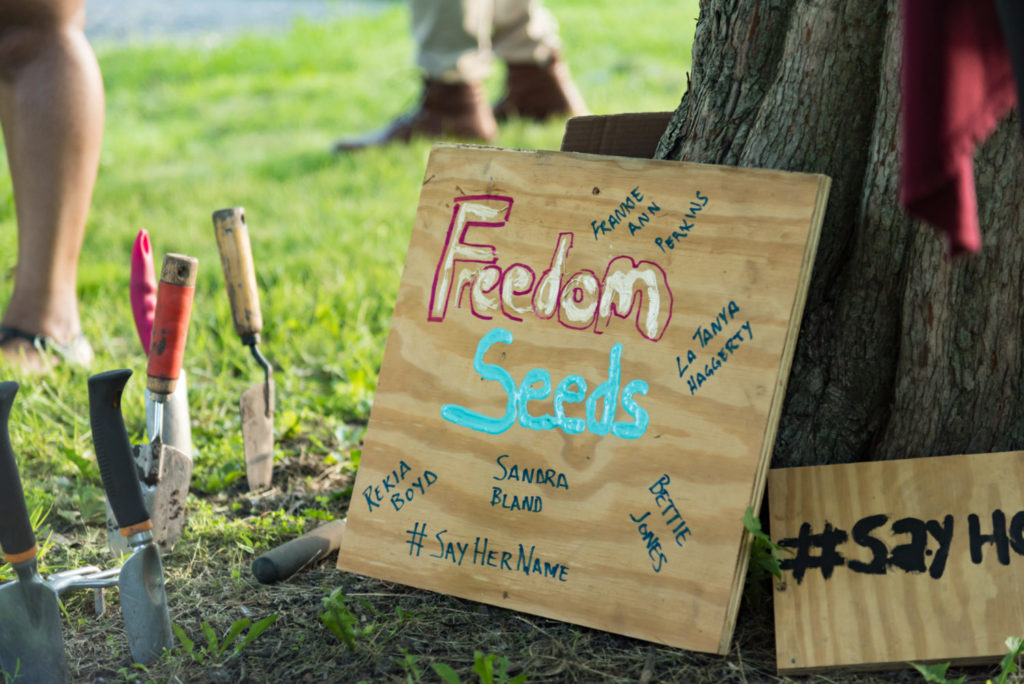
This issue of S&F Online invites us to contemplate the question: If not police, then what? How must our everyday conversations, celebrations, and community creations lead us on a path toward transformative approaches to safety and healing?
Neurogenderings

What happens when we approach the brain as a shared object of perplexity? What happens when neuroscientists take the time and effort to reflect upon the past, present, and future progress within their own field? What happens when the question of how to study sex and/or gender differences in the brain is opened up to interdisciplinary perspectives and is not treated as a given? What if dissensus in neuroscience research is seen as an opportunity to think about science, bodies, and technologies otherwise?
Women and Community in Early Modern Europe: Approaches and Perspectives
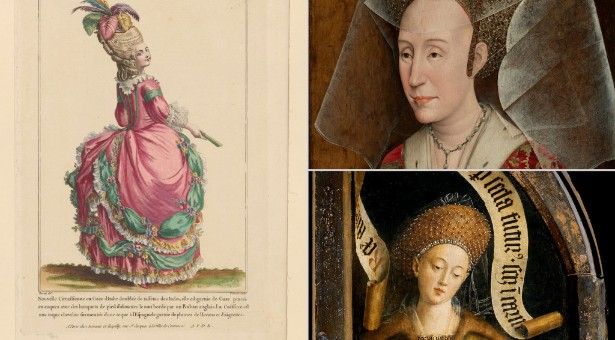
The latest issue of Scholar and Feminist Online, entitled “Women and Community in Early Modern Europe: Approaches and Perspectives,” explores how we can broaden our study and understanding of the roles and identities women forged for themselves within social collectives.
Feminist and Queer Afro/Asian Formations
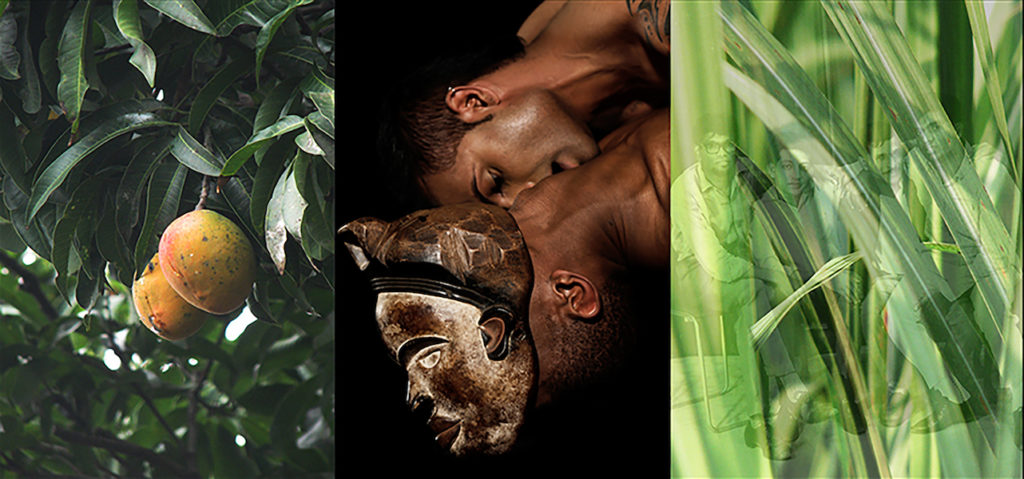
This issue of Scholar and Feminist Online, “Feminist and Queer Afro-Asian Formations,” edited by Vanita Reddy and Anantha Sudhakar, marks a key intervention into Afro-Asian studies, one that insists upon centering a feminist and queer framework.
Thinking Queer Activism Transnationally
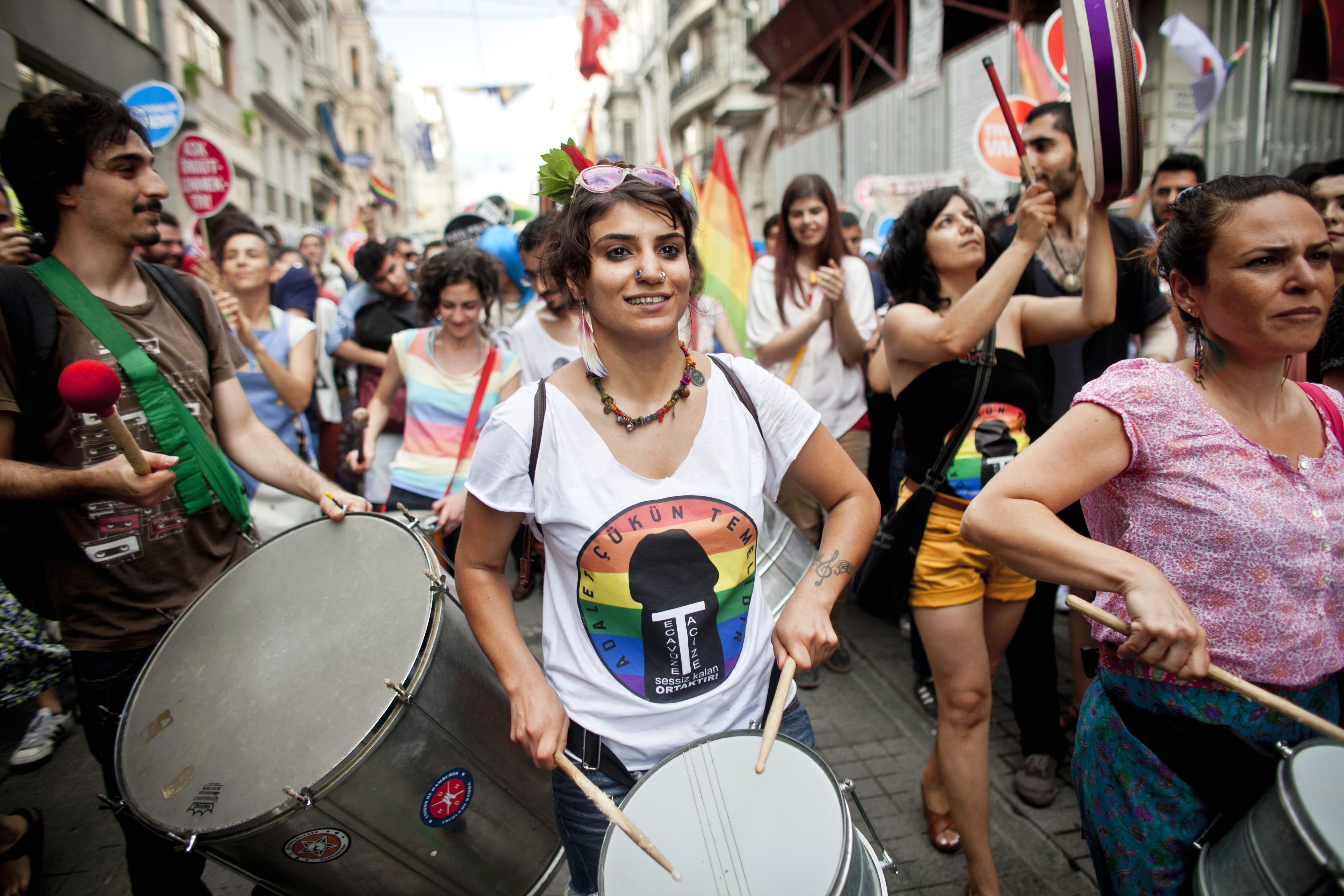
This issue of Scholar and Feminist Online, edited by Gema Pérez-Sánchez and Brenna Munro, theorizes and engages with queer activism across national boundaries and between the Global North and Global South. Grappling with ideas and issues including transnational solidarity, human rights, coalitional politics, im/migration, diaspora, borders, and imperalism, contributors offer examples of multi-directional, multi-vocal, strategic, and affective activist practices for a transnational queer activist agenda.
Queer/Religion
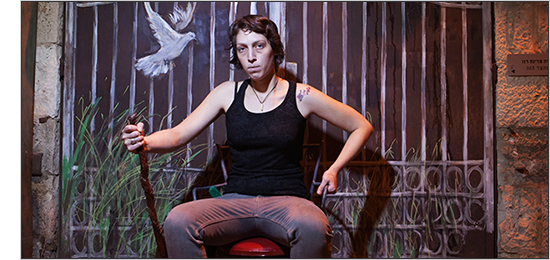
This issue of The Scholar and Feminist Online, edited by Elizabeth A. Castelli, brings together scholarship rooted in Queer Studies and Religious Studies, exploring the intersections of these areas of inquiry which are too-often constructed as entirely separate. The contributions to this volume are largely drawn from a BCRW-convening entitled “At the Intersection of Queer Studies and Religion,” held in November 2013. Together, these short essays contribute to a theoretical and empirical cartography for mapping the terrain at the intersections of queer studies and religion.
Traversing Technologies

In “Traversing Technology,” scholars drawn primarily from the arts and humanities offer close readings of the multifaceted histories, consequences, potential adaptations and mutilations of scientific and technical productions. Uniting these diverse sites of inquiry is the necessity of movement in order to understand or act—the refusal of a god’s eye view frozen in one all seeing perspective. The authors refuse a physical/virtual division, as they map the monstrous meanings of suburban homes, dive into scatalogical biopolitical governmentalities, surface the long gendered pre-history of selfie culture, celebrate trans people of color’s poetic stitching of social wounds, trace the frequent construction of Asian Americans as racialized machines, link the prescient wisdom of the Combahee River Collective to the ways internet architecture imperils black lives, generate new opportunities to infect technology with viral feminist knowledges, and offer up the parasite as a model for our relationship to social networks.
Navigating Neoliberalism in the Academy, Nonprofits, and Beyond

This issue of S&F Online looks at the nonprofit and the university as two key sites in which neoliberal social and economic formations are constituted and contested. Emerging out of a 2009 meeting at the American Studies Association Annual Meeting convened by Munshi and Willse and drawing on the theoretical and historical models articulated by INCITE! Women, Gender Non-conforming, and Trans People of Color Against Violence, the collection asks: What are the possibilities for transformative politics given the capacity of neoliberal capital to incorporate, absorb and/or neutralize demands for social justice?
The Worlds of Ntozake Shange

“The Worlds of Ntozake Shange” highlights Shange’s centrality to black feminism and the continuing impact of her work both within and outside the academy. In addition to working as a poet, novelist, and choreographer, Shange created the choreopoem, a form that links the physicality of dancing and music to the written word. The contributors in this issue examine Shange’s continuing impact on literature, theatre, popular culture, feminist, afrodiasporic and queer movements, with many pointing to her linguistic innovations (for instance, her fluid movement across languages, prominent use of both slashes and lowercase letters) as tools that have proven vital to feminist practice. The “Worlds of Ntozake Shange” draws necessary attention to the fact that this artist has long been a creative force, providing new language and possibilities for both intellectual and artistic productions.
Activism and the Academy

This issue is organized around continuing the conversations that took place between scholars, activists, and scholar/activists at these conferences. In their writing, the contributors take up the discussions begun at the panels and included here in video, so as to shed light on the complexity of oppressions in the current moment—and remind those committed to a more just world to celebrate the good times we’ve had, and imagine those we might create.
Life (Un)Ltd: Feminism, Bioscience, Race

Like the symposium, this special issue foregrounds scholarship at the intersections of science and technology studies, feminist and queer studies, and race and postcolonial studies. The authors explore key questions emerging from the intensive biotechnological management of life that marks our age. Exploring the ways in which certain bodies and lands become, as they have for many centuries, the extractable material for scientific “discovery,” the authors make questions of gender, sexuality, and reproduction central to their queries.
Gender, Justice, and Neoliberal Transformations

This issue of The Scholar & Feminist Online forges new ground by weaving together issues of gender and sexuality, usually sidelined in conversations about neoliberalism, with questions of the economy and political processes. Emerging out of a 2012 international workshop on the mutual imbrication of economic, cultural, and political structures of neoliberalism with the vast changes in gendered and sexual life, “Gender, Justice, and Neoliberal Transformations” seeks new lines of inquiry to explore the extreme disparities of wealth across the globe, as well as new and old forms of social inequality.
Feminist Media Theory: Iterations of Social Difference

Contributors include Jonathan Beller, Katrina Brown, Patricia Ticineto Clough, Dina Gadia, Cindy Gao, Marina Gržinić, Orit Halpern, Rosanna Irvine, Katie King, Deborah Levitt, Negar Mottahedeh, Roya Rastegar, Catherine Sameh, and Manuel Vason.
A New Queer Agenda

With this issue of The Scholar & Feminist Online, the Barnard Center for Research on Women celebrates our ongoing collaboration with Queers for Economic Justice. Through this partnership, we have been engaging activists, academics and organizers around a vision and practice of cross-issue organizing that sees gender and sex as central to issues like immigration, poverty, homelessness, gentrification, and drug use. “A New Queer Agenda” pushes beyond the vision of security and belonging offered through gay marriage to a broader politics of economic, political and sexual justice for all.
Religion and the Body

Contributors include Kaucyila Brooke, Ann Burlein, Lindsay Caplan, Janet R. Jakobsen, Ins Kromminga, Laura Levitt, Minoo Moallem, Carlo Quispe, Catherine Sameh, Sisters of Perpetual Indulgence, Saadia Toor, Dominic Wetzel, Melissa Wilcox, Paul Wirhun, and David Wojnarowicz.
Critical Conceptions: Technology, Justice, and the Global Reproductive Market

Contributors include Gwendolyn Beetham, Claudia Castañeda, The Center for Bioethics and Culture, Wendy Chavkin, Jeanne Flavin, Sarah Franklin, Ana María García, Faye Ginsburg, Michele Bratcher Goodwin, Rebecca Haimowitz, Anna Harrington, Judith Helfand, Sujatha Jesudason, Rebecca Jordan-Young, Jessaca Leinaweaver, Iris Lopez, Susan Markens, Carol Mason, Faith Pennick, Rayna Rapp, Catherine Sameh, Vaishali Sinha, Debora Spar, Kalindi Vora, Catherine Waldby, and Karen Winkler.
Scholar and Feminist Online

Scholar and Feminist Online is an open-source feminist publication that, since its founding issue in 2003, has published academics, activists, and more recently, multimedia artists on topics ranging from queer agendas that center anti-racism, anti-capitalism, and trans justice, to the literary and political legacy of Black feminist poet, playwright, and choreographer Ntozake Shange. The journal’s […]
Polyphonic Feminisms: Acting in Concert
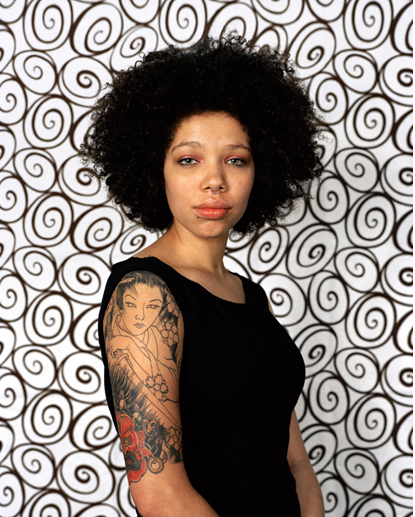
Contributors include Sara Ahmed, Anida Yoeu Ali, Moya Bailey, Lina Bertucci, Adrienne Maree Brown, brownfemipower, Nuala Cabral, Lindsay Caplan, Joy Castro, Lisa Factora-Borchers, Daniel Horowitz Garcia, Alexis Pauline Gumbs, Duchess Harris, Jessica Hoffmann, Julie Kubala, Nomy Lamm, Noemi Y. Molitor, Felicia “Fe” Montes, Jennifer C. Nash, Adele Nieves, Lesleigh J. Owen, Cara Page, Jasmeen Patheja, Marta Sanchez, Larissa Sansour, Lamont Sims, SPEAK! Radical Women of Color Media Collective, Mandy Van Deven, and Mary Jane Villamor.
Children of Incarcerated Parents

Contributors include Ann Adalist-Estrin, asha bandele, Nell Bernstein, Stacey Bouchet, Creasie Finney Hairston, Denise Johnston, Tanya Krupat, Carrie Levy, Venezia Michalsen, Dee Ann Newell, Megan Sullivan, and Angie Vachio.
Valuing Domestic Work
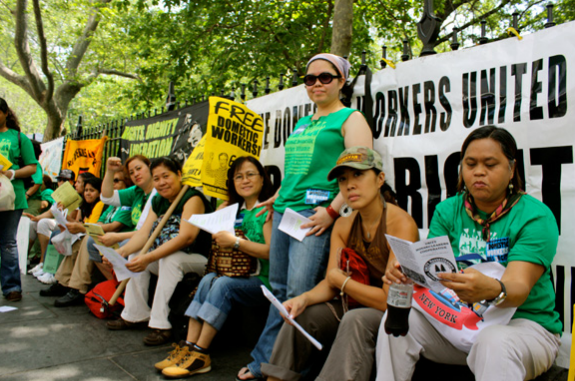
Contributors include Eileen Boris, Christine E. Bose, Arlie Russell Hochschild, Jews for Racial and Economic Justice, Jennifer Klein, Wendy Kozol, Pei-Chia Lan, Premilla Nadasen, National Domestic Workers Alliance, Leah Obias, Ai-jen Poo, Saskia Sassen, Third World Newsreel, and Basia Winograd.