
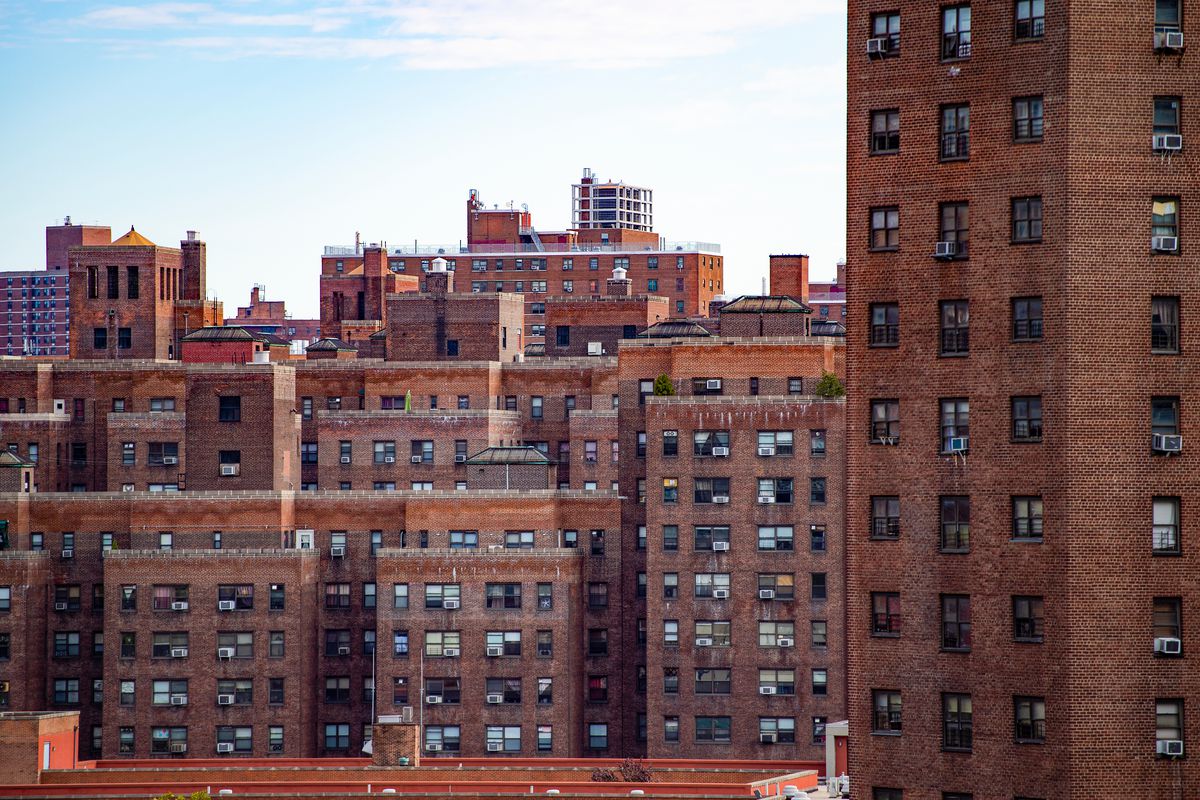
We continue to mourn with the survivors of a catastrophic fire in the Bronx that killed eight adults and nine children on January 9th, 2022. Barnard students and alums are among the people who lost relatives and neighbors in a disaster that rippled beyond New York and throughout communities living with the realities of precarious housing.
Fundraising efforts continue for some families impacted by the fire, including South Bx Mutual Aid and the Gambian Youth Organization.
We understand that this event is a recent example in a long history of racist and anti-poor housing policy and predatory financial practices that once manifested in the burning down of entire sections of the Bronx.
No one should die because they needed a space heater to keep warm. No one should have to calculate whether reporting a building violation will lead to eviction or deportation. No one should wonder if the building they live in is up to code, or suspect it isn’t because they know that government agencies and private developers view Black and brown, immigrant, poor and rent-burdened residents as disposable.
As New Yorkers, we are witnessing the crisis mounting for many residents as the state’s pandemic-era Eviction Moratorium has now expired, with federal Emergency Rental Assistance Program funds already depleted. A recent report by the Association for Neighborhood Housing and Development finds that twice as many eviction proceedings are being filed against residents in majority Black communities compared with majority white areas, and four times as high in neighborhoods that have been hit the hardest by COVID. As the coalition Housing Justice 4 All makes clear, eviction is always violent and has long lasting consequences. This current surge of evictions and displacement is happening while median rents in New York City have increased 25% in the last year.
BCRW’s Housing Working Group continues to work with the Undesign the Redline project at Barnard to bring these conversations to the surface through weekly tours of the Undesign exhibit, and we are planning a future event highlighting the ongoing fight for safe and affordable housing as a human right. Visit undesign.dhcbarnard.edu to learn more.